
The BePacMan platform highlights practical examples of circular and reusable paper packaging solutions across Europe.
Below you will find selected cases demonstrating innovation in reuse systems, logistics, upcycling and material efficiency.
The examples presented here include both industrial applications and emerging reuse models that contribute to extending the lifecycle of paper-based packaging.
Reusable Packaging Systems
Cases demonstrating how reuse systems work in practice, including return logistics, operational models and consumer behaviour.
CASE #1 Organic Polska – Corrugated Cardboard Industrial Packaging Solutions (Poland)
Challenge
Industrial transport and logistics frequently rely on heavy materials such as wood, plastics or polystyrene. These materials increase transport weight, generate waste and often complicate recycling processes.
Solution
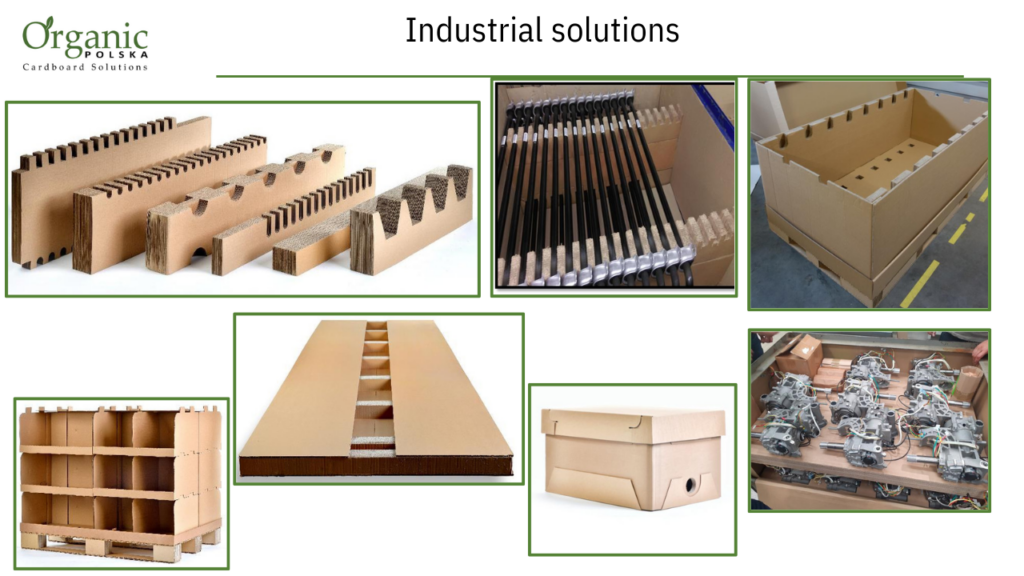
Organic Polska develops customised industrial packaging solutions based on multilayer corrugated cardboard. Their systems are designed to replace materials such as plastic, wood or polystyrene while maintaining high durability and protection of transported goods.
The company designs packaging solutions through an integrated process including design, prototyping, testing and optimisation, allowing packaging to be adapted to specific industrial applications.
Impact
• Replacement of plastic, polystyrene and wood packaging
• Reduced packaging weight and transport costs
• Simplified material segregation and recycling
• Lower environmental footprint of logistics operations
Why it matters
Organic Polska demonstrates how corrugated cardboard can replace traditional industrial materials while maintaining performance and durability. Their solutions illustrate the potential of fibre-based materials to support more circular logistics systems.
Website:
https://organicpolska.com/
CASE #2 Zerozon – Reusable E-commerce Packaging (Lithuania)
Challenge
E-commerce generates high volumes of single-use shipping packaging, increasing material waste and transport-related emissions.
Solution
Zerozon developed a reusable shipping packaging system tested in cooperation with logistics operators. The system allows packaging to be returned and reused multiple times within existing delivery networks.
Impact
• Reusable delivery packaging models
• Reduced reliance on single-use materials
• Insights from real-life logistics pilots
Why it matters
Zerozon demonstrates how reuse systems can be tested within existing e-commerce logistics and highlights the importance of return systems and incentives for successful reuse models.
CASE #3 RePack – Reusable E-commerce Packaging (Finland / Europe)
Challenge
E-commerce generates high volumes of single-use cardboard packaging, contributing to material waste and increasing carbon emissions across delivery networks.
Solution
RePack offers a reusable packaging system designed for online retail. Orders are delivered in durable, reusable envelopes or boxes that customers can return free of charge via regular postal services.
Returned packaging is cleaned, inspected and reused multiple times.
Impact
• Reduction of single-use packaging waste
• Reuse cycles extending packaging lifespan
• Customer engagement through incentive models
Why it matters
RePack demonstrates how circular packaging systems can strengthen customer loyalty while reducing environmental impact.
Website:
https://www.repack.com/
CASE #4 Sent Me Pack – Reusable Shipping Solutions (Germany)
Challenge
Online retail continues to rely heavily on disposable cardboard and plastic packaging.
Solution
Sent Me Pack offers reusable shipping boxes and bags as a service. Businesses rent durable packaging which customers return free of charge.
Returned packaging is cleaned and reintroduced into the system.
Impact
• Closed-loop reuse model
• Reduction of disposable packaging
• Integration with existing logistics systems
Why it matters
This case shows that reuse models can operate within established commercial habits without requiring significant behavioural change.
Website:
https://www.sendmepack.de

CASE #5 Nemlig – Returnable Grocery Packaging (Denmark)
Challenge
Online grocery delivery generates significant volumes of single-use packaging.
Solution
Nemlig introduced a returnable packaging system where customers return delivery packaging during their next grocery delivery.
Impact
• Closed-loop grocery packaging system
• Reduction of single-use materials
• Increased customer convenience
Why it matters
Embedding reuse directly into delivery operations makes circularity easier for consumers.
Website:
https://www.nemlig.com

Circular Material Innovation
Examples demonstrating how paper-based materials can replace conventional packaging formats and expand into new product applications.
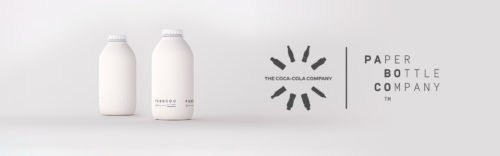
CASE #6 Paboco – Paper Bottle Innovation (Europe)
Challenge
Plastic bottles remain one of the most widespread single-use packaging formats in the beverage industry.
Solution
Paboco develops paper-based bottle structures made primarily from sustainably sourced paper fibres combined with barrier technologies.
Impact
• Reduced dependency on fossil-based plastics
• Increased share of renewable fibre materials
• Industrial testing with global partners
Why it matters
Material innovation plays a key role in the development of circular packaging systems.
Website:
https://paboco.com
Upcycling & Industrial Circularity
These cases demonstrate how cardboard and paper waste streams can be transformed into valuable secondary materials.
CASE #7 Recyclo – Cardboard Furniture Innovation (Poland)
Challenge
Furniture production often relies on energy-intensive materials.
Solution
Recyclo designs furniture made entirely from corrugated cardboard including desks, chairs and exhibition stands.
Impact
• Renewable and recyclable material use
• Lower production energy demand
• Extended material life cycles
Why it matters
This case highlights the structural versatility of cardboard beyond packaging.
Website:
https://recyclo.pl/

CASE #8 KAROPACK GmbH – Upcycling Cardboard into Protective Packaging (Germany)
Challenge
Used cardboard boxes are often downcycled or discarded despite retaining structural value.
Solution
KAROPACK transforms used cardboard into cushioning and filling material using its “Karocycler” machines.
Impact
• Up to 95% reduction of shipping waste
• Up to 40% cost savings compared to disposable fillers
• Local production reduces transport emissions
Why it matters
Cardboard can remain within industrial loops instead of being replaced by plastic foams.
Website:
https://karopack.de
CASE #9 PulPac – Fiber-Based Alternatives to Single-Use Plastic Packaging (Sweden)
Challenge:
Single-use plastic packaging contributes to significant environmental impacts and is increasingly restricted by global regulations.
Solution:
PulPac has developed Dry Molded Fiber (DMF) technology, enabling the production of high-performance fiber-based packaging as a replacement for plastic items such as lids, trays, and cutlery.
Impact:
The technology enables scalable production of fiber packaging and supports the transition away from single-use plastics, with the potential to significantly reduce plastic waste globally.
Why it matters:
PulPac’s solution addresses both regulatory pressure and environmental concerns by offering a low-carbon, resource-efficient alternative to plastic packaging, accelerating the shift toward a circular packaging system.
Web address:

CASE #10 Yangi– Scalable Fiber Packaging with Reduced Water and Energy Use (Sweden)
Challenge:
Plastic packaging creates waste and depends on fossil-based materials, while many fiber alternatives remain resource-intensive or hard to scale.
Solution:
Yangi has developed a dry-forming fiber technology for producing high-quality, recyclable packaging as an alternative to rigid plastic and wet-molded packaging.
Impact:
The technology reduces water and energy use and can cut CO₂ emissions by up to 80%, while enabling industrial-scale fiber packaging production.
Why it matters:
Yangi supports the shift from plastic to renewable, circular packaging by making fiber-based alternatives commercially scalable.
Web address:
CASE #11 Blue Ocean Closures– Renewable Fiber Closures Replacing Plastic Caps (Sweden)
Challenge
Bottle caps and lids are typically made from plastic, contributing significantly to plastic waste and microplastic pollution.
Solution
Blue Ocean Closures develops fiber-based caps and lids made from renewable cellulose fibers, designed to replace plastic closures in beverage and food packaging drop-in to existing filling lines.
Impact
The technology can reduce CO₂ emissions by up to 80% and requires nearly 90% less energy compared to conventional plastic molding.
Why it matters
This innovation provides a scalable, fiber-based alternative to fossil plastics, enabling the packaging industry to reduce its environmental footprint without disrupting existing production systems.
Website
https://www.blueoceanclosures.com/

Share Your Circular Solution
We are continuously expanding the BePacMan thematic platform.
If your organisation works on circular or reusable paper packaging solutions and would like to be included, we invite you to contact us.
Selected cases may be featured as part of our Circular Solutions showcase.
Contact:
bepacmanproject@gmail.com